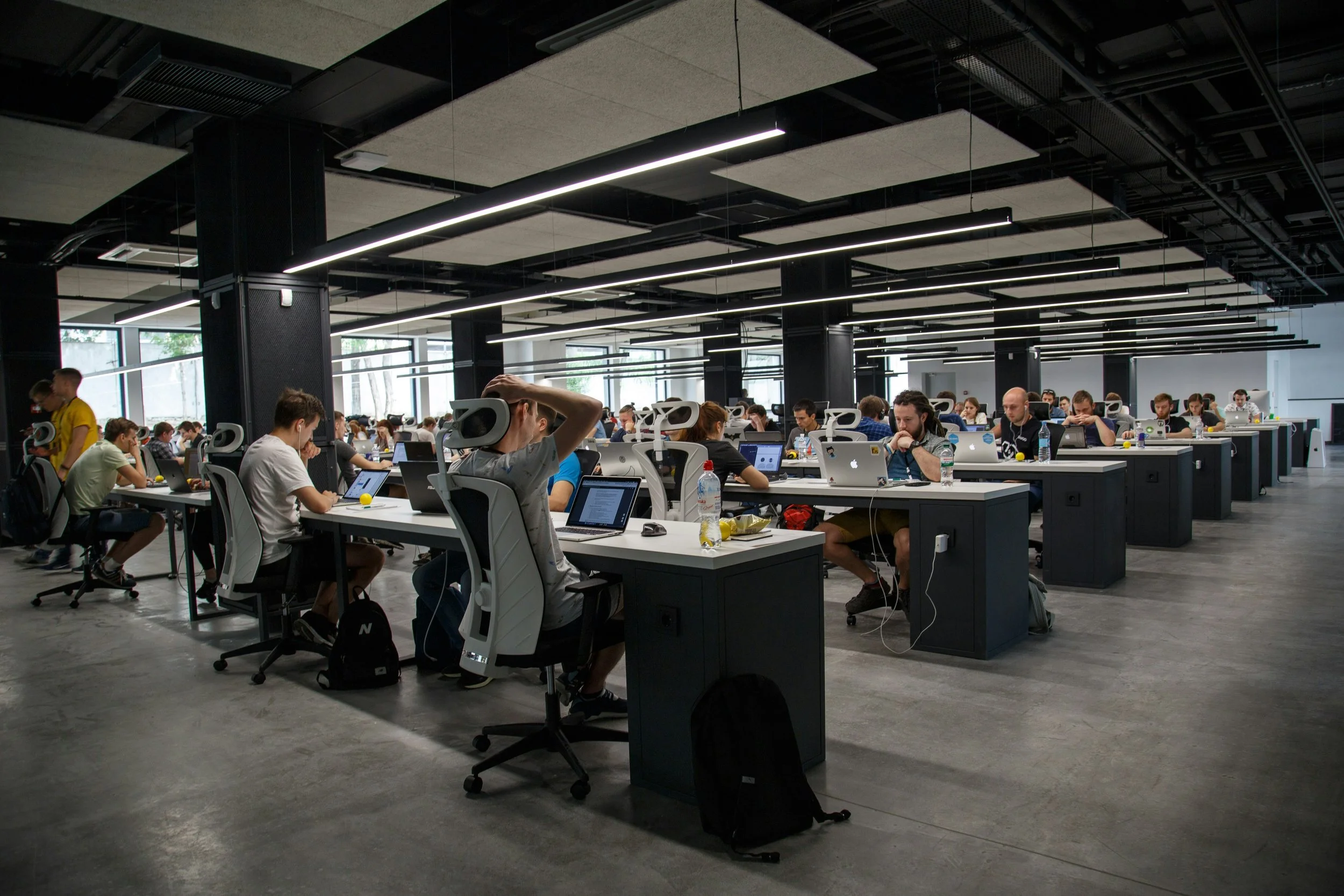
When AI is smarter than humans, how should organizations prepare for the future workforce?
Artificial intelligence is reshaping work faster than any change in history. AI is not here to replace people, but to transform tasks and elevate human roles toward higher value work such as creativity, problem-solving, and decision-making. History shows that when technology advances, jobs evolve and those who adapt move forward. To prepare for this shift, organizations must strengthen human thinking skills, build digital fluency, encourage adaptability, and teach employees to work with AI as a partner. Continuous learning and cross-disciplinary collaboration become essential. With the right preparation, AI becomes a powerful tool that amplifies human potential and creates a more innovative future.

How Emotion Shapes Workplace Thinking: A Practical Guide for Professionals and HR
Emotion quietly shapes how professionals think, decide and perform at work. It influences attention, memory, creativity, communication and leadership behavior. When emotions are understood and managed well, employees think more clearly, collaborate more effectively and handle pressure with confidence. This article explains how emotion affects workplace thinking in simple, practical terms and offers evidence-based strategies that leaders and teams can use to improve decision-making, resilience and overall performance.
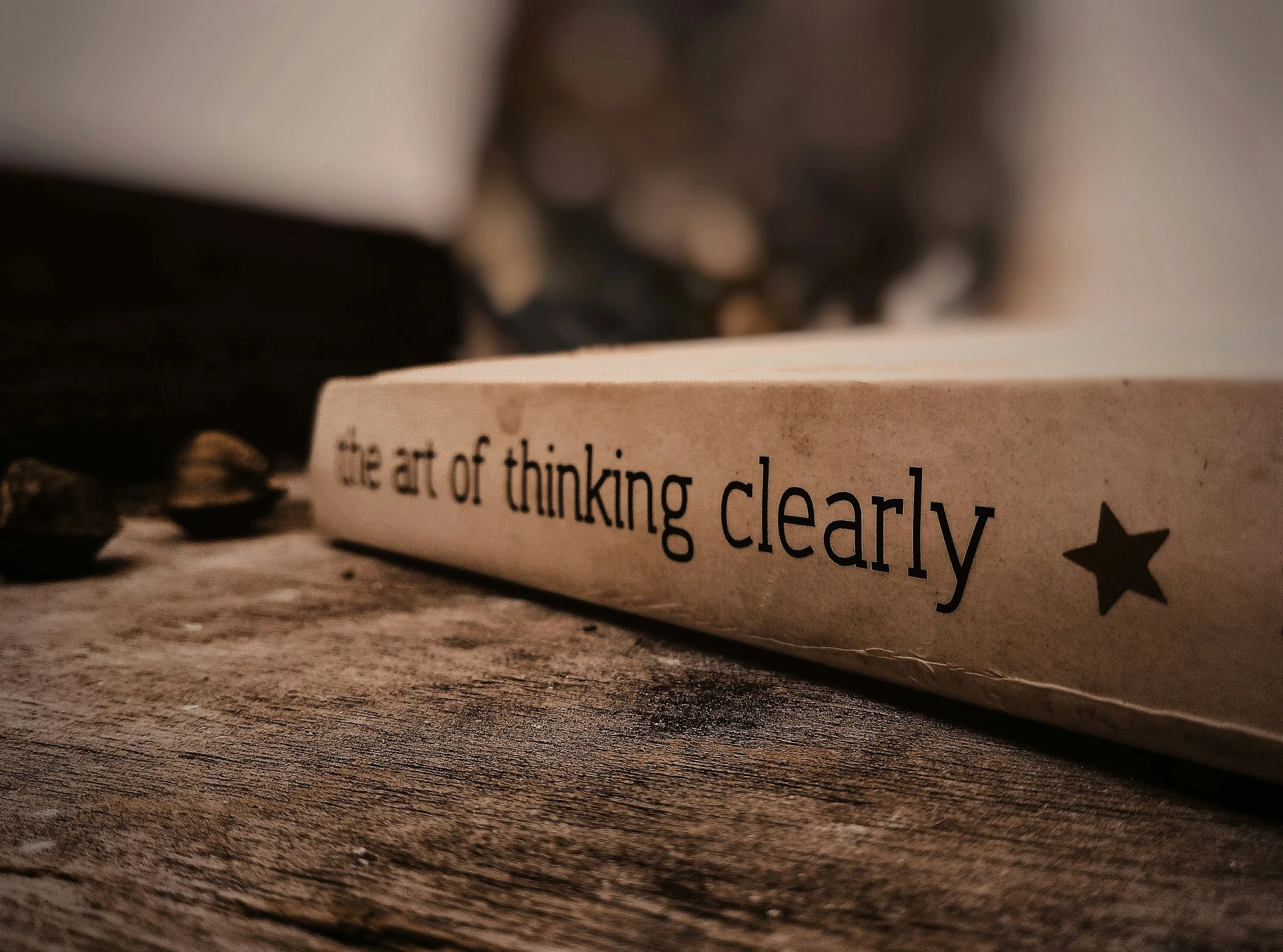
How Critical Thinking Improves Everyday Decisions at Work
Critical thinking has become one of the most valuable skills in today’s workplace. In a world full of constant decisions, fast communication, and growing complexity, the ability to pause, reflect, and think clearly transforms how people solve problems, communicate, and make everyday choices. This article explores how stronger thinking leads to better decisions and a more effective, resilient organisation.
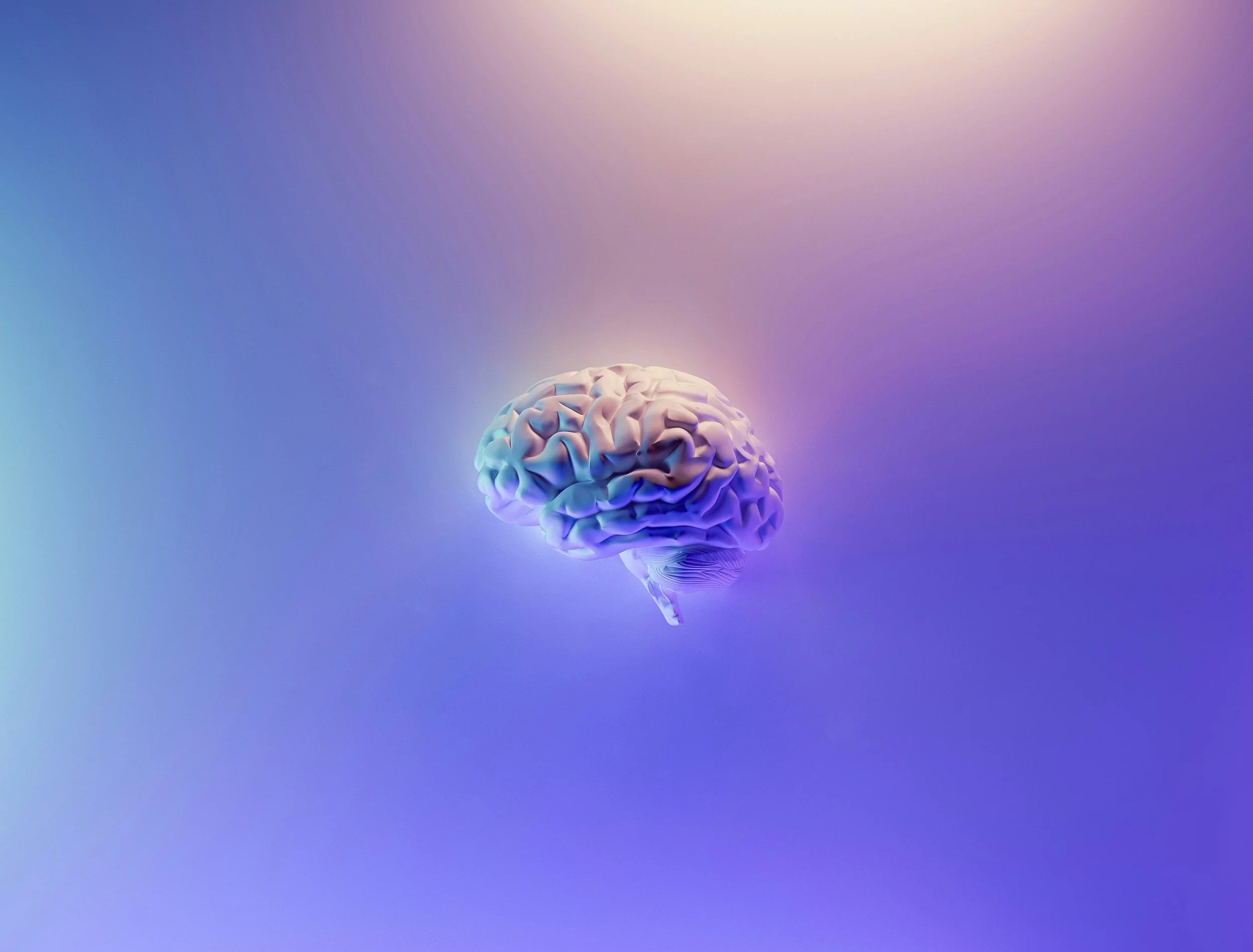
The Human Advantage: Why Thinking Skills Matter More in the Age of AI for Organizations
In an age where AI automates tasks and accelerates workflows, the true competitive edge lies in human thinking. This article explores why thinking skills such as critical thinking, creative thinking, systems thinking and strategic thinking become indispensable for organizations. It argues that AI can generate data, but only humans can interpret meaning, assess ethics, navigate complexity, and decide direction.

The Neuroscience of Problem-Solving: How Your Brain Breaks Down Complexity
An insightful look into how your brain handles complexity, this article reveals the hidden neurological processes behind problem-solving. From the layered structure of the prefrontal cortex to the emotional circuits that shape intuition, discover why thinking takes time and why clarity emerges only when your brain has finished breaking complexity into meaningful parts.

Why First Principles Thinking is Crucial in Every Organization?
First Principles Thinking is becoming one of the most important skills in modern organizations. In a world where habits, assumptions, and outdated processes limit growth, this approach helps teams uncover fundamental truths, challenge long held beliefs, and rebuild smarter solutions from the ground up. By applying First Principles across different departments, organizations gain clarity, innovation.