How Technology Changed the Way We Manage My Parents’ Diabetes?
Diabetes is a chronic condition that many families in Malaysia are facing today. According to the International Diabetes Federation (IDF) 2024 data, Malaysia has one of the highest diabetes prevalence rates in Southeast Asia about 20% of adults, meaning one in five people is affected.
With an aging population and changing lifestyles, diabetes is affecting more and more households. Even more concerning is that many people are unaware they already have the condition.
Behind these statistics are real family stories and my mother is one of them.
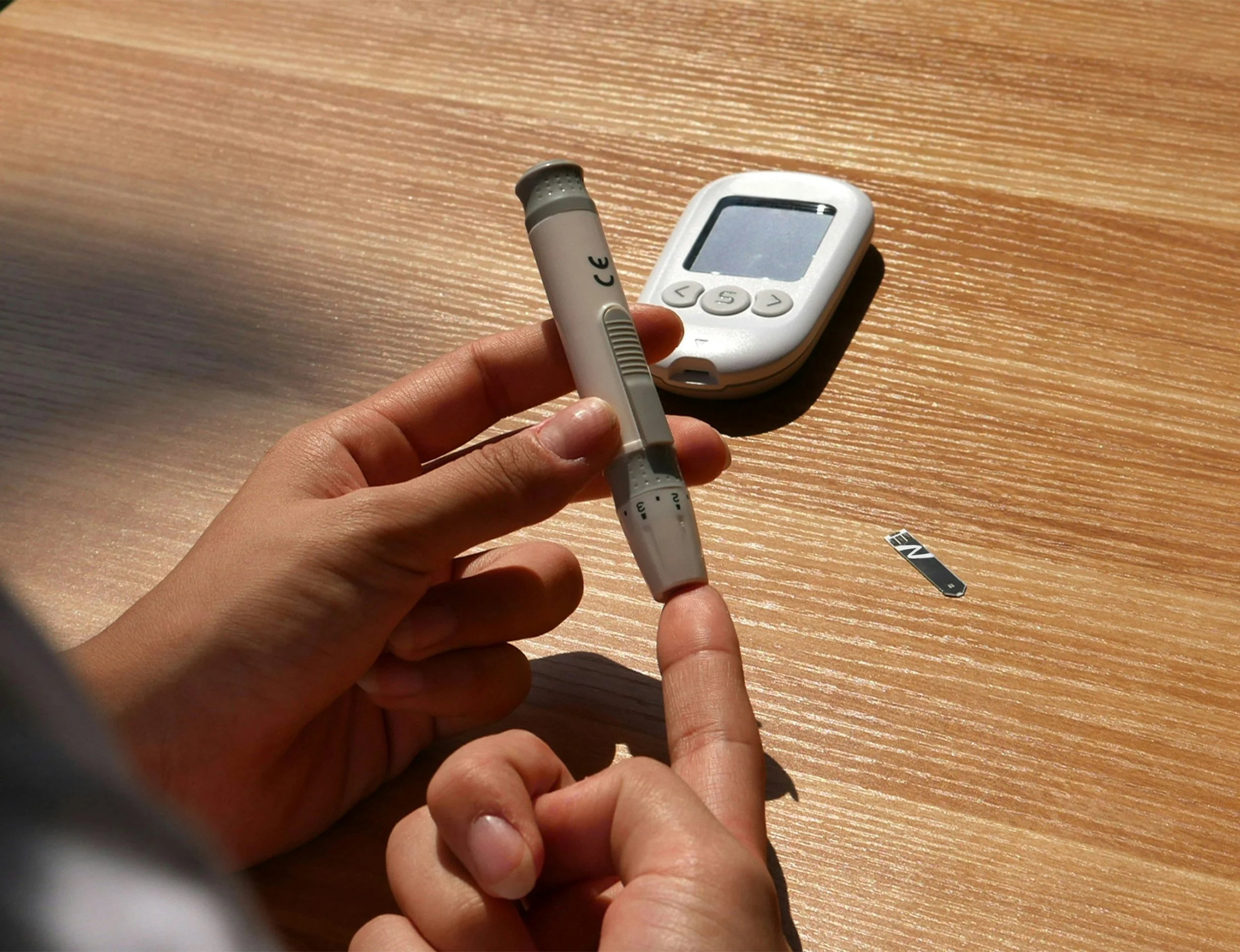
Between Highs and Lows: My Mother’s Daily Life with Blood Sugar
The first time my mother told me about her diabetes, I was still a teenager. She believed it began during the period when she was taking care of my grandfather in the hospital. During that time, her meals were irregular, and when she was hungry, she would often eat chocolates to cope. She didn’t realise that her body was already undergoing changes.
High blood sugar caused her to feel constantly thirsty. When glucose could not enter the cells effectively, her body began breaking down fat and muscle for energy. Within a few months, she lost more than 10 kilograms.
Doctors explained that this type of diabetes is often related to diet, lifestyle, and genetics. Since there was no strong family history, it was likely due to long-term lifestyle imbalance. At first, she managed her condition with oral medication. But after a few years, her blood sugar remained high, and doctors recommended insulin injections for better control.
From her 50s onwards, checking blood sugar and injecting insulin became part of her daily routine. However, insulin dosage needs constant adjustment based on blood sugar levels and food intake which is not easy.
Blood sugar that is too high or too low can both be dangerous. Long-term high levels can damage the kidneys, nerves, and eyes, while low levels can cause dizziness, sweating, or even fainting.
The challenge was that she could only check her blood sugar once or twice a day. For the rest of the time, she had to rely on guesswork whether her levels were high, whether her meals were appropriate, or whether her blood sugar might drop at night. That uncertainty was often more stressful than the condition itself.
I remember one incident during a trip. Because we delayed a meal and she didn’t check her blood sugar in time, she suddenly felt dizzy while walking. Her lips turned pale, she broke into cold sweat, her hands trembled, and she almost fainted.
We panicked and quickly found something sweet for her. Only after she slowly recovered did we feel relieved. More than 20 years later, diabetes began affecting her eyes. She developed retinal bleeding and needed laser treatment. That was when we truly realised that long-term fluctuations were silently accumulating damage.
We tried working with a nutritionist, which helped improve her condition. But overly strict diets made her feel stressed and deprived. Food is still part of life, after all. With children working in different places, we could only remind her through phone calls.
When Blood Sugar Becomes Visible
Because I work in healthcare technology, I began to think: Is there a way to monitor blood sugar more conveniently, more frequently, and with less pain? I have always believed that improvement must be built on data. Without data, we rely on feelings and cannot predict outcomes.
That was when I discovered a device worn on the arm — a Continuous Glucose Monitor (CGM). It does not require daily finger pricks. Instead, it continuously tracks blood sugar and shows trends in real time.
At that time, it wasn’t cheap about RM300 per sensor, lasting around 14 days. But after confirming that it was registered with Malaysia’s medical device authority, we decided to try it. My mother adapted quickly. She no longer needed to endure finger pricks. With just a glance, she could understand her blood sugar trends. She became more confident adjusting her insulin and learned which foods caused spikes.
The most noticeable change: She slept better at night. My father, who later switched from medication to insulin due to side effects and mobility issues after a stroke, also started using the same sensor since traditional testing was difficult for him.
Before this, they were constantly guessing. Now, they could see. With continuous data, they felt more at ease, were able to better estimate their insulin needs, and could adjust their diet more independently. We, as their children, could also monitor their readings remotely through our phones. Alerts would notify us if levels were too high or too low.
For those of us living away, this brought a great sense of reassurance.
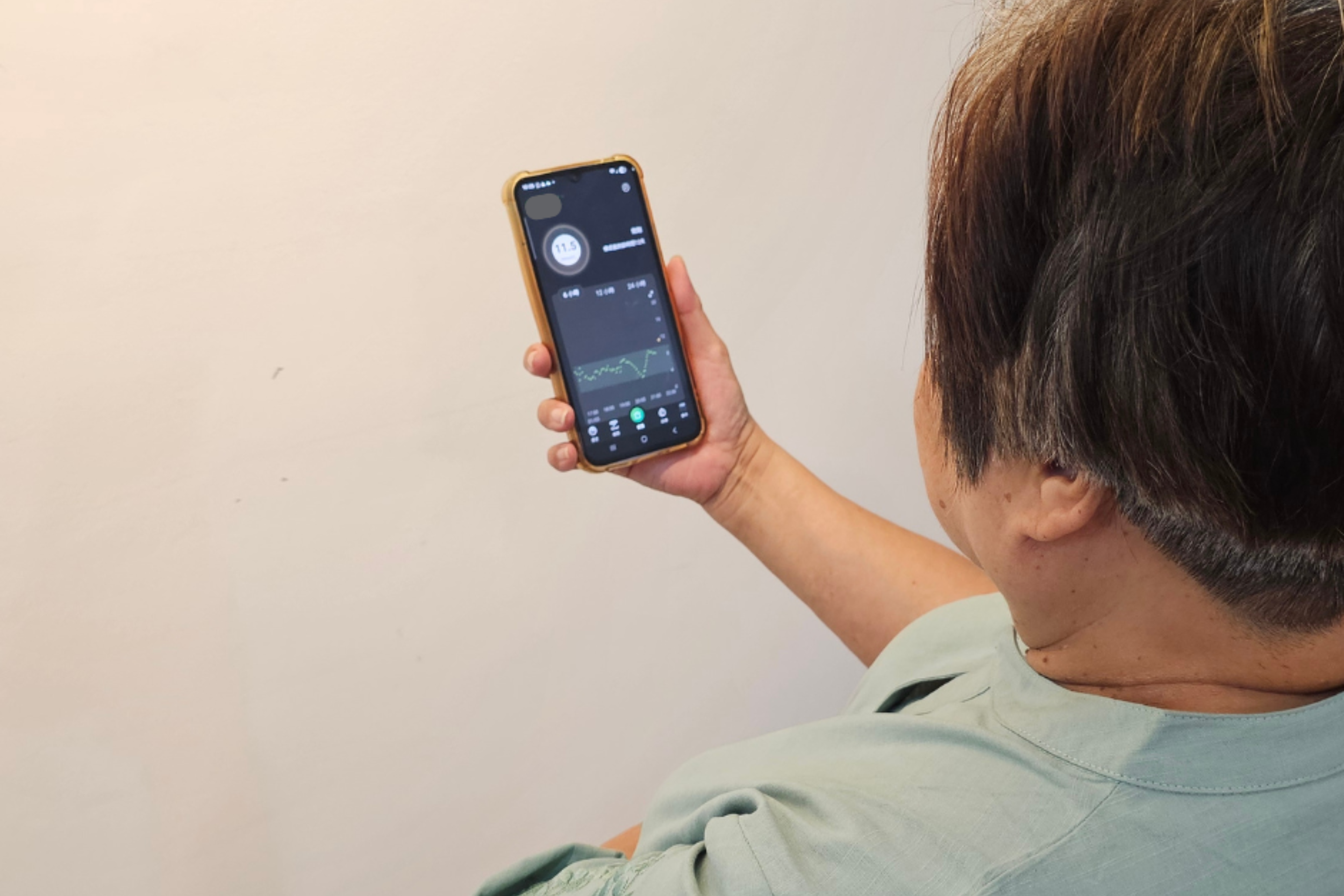
My mum monitoring her glucose level via phone
Using Technology for Better Care
Of course, the sensors are not perfect. They can sometimes fail or become inaccurate, so proper usage and occasional calibration are necessary. Over time, we also explored different brands, as technology continues to evolve and become more affordable.
Today, such devices are more accessible and can even be purchased through regulated online platforms. Looking back, this small device has become an essential part of my mother’s life.
It not only reduces pain from frequent testing but more importantly, it gives her a sense of control and safety For us, her children, it reduces constant worry. Technology did not change the disease itself. But it changed how we live with it.
I am also grateful for the continuous support from government hospitals, which provide long-term check-ups and subsidies, as making good use of public healthcare resources can greatly support chronic disease management.
Through my parents’ journey, I have come to understand that diabetes is not a sudden condition, but rather the result of long-term lifestyle patterns.
According to the World Health Organization and the International Diabetes Federation, prevention includes maintaining a healthy weight, engaging in regular exercise of at least 150 minutes per week, reducing sugar intake, and undergoing regular screening. Early detection and timely adjustments can significantly reduce future risks.
This article is based on personal experience and is for informational purposes only. For any health concerns, please consult qualified healthcare professionals.
Sin Chew Daily Features
